
self-worth · · 5 min read
Self-worth vs self-esteem – how to feel worthy without needing approval
Self-esteem rises and falls with success and praise. Self-worth is the belief that you matter anyway. The difference, its roots and how to build it.
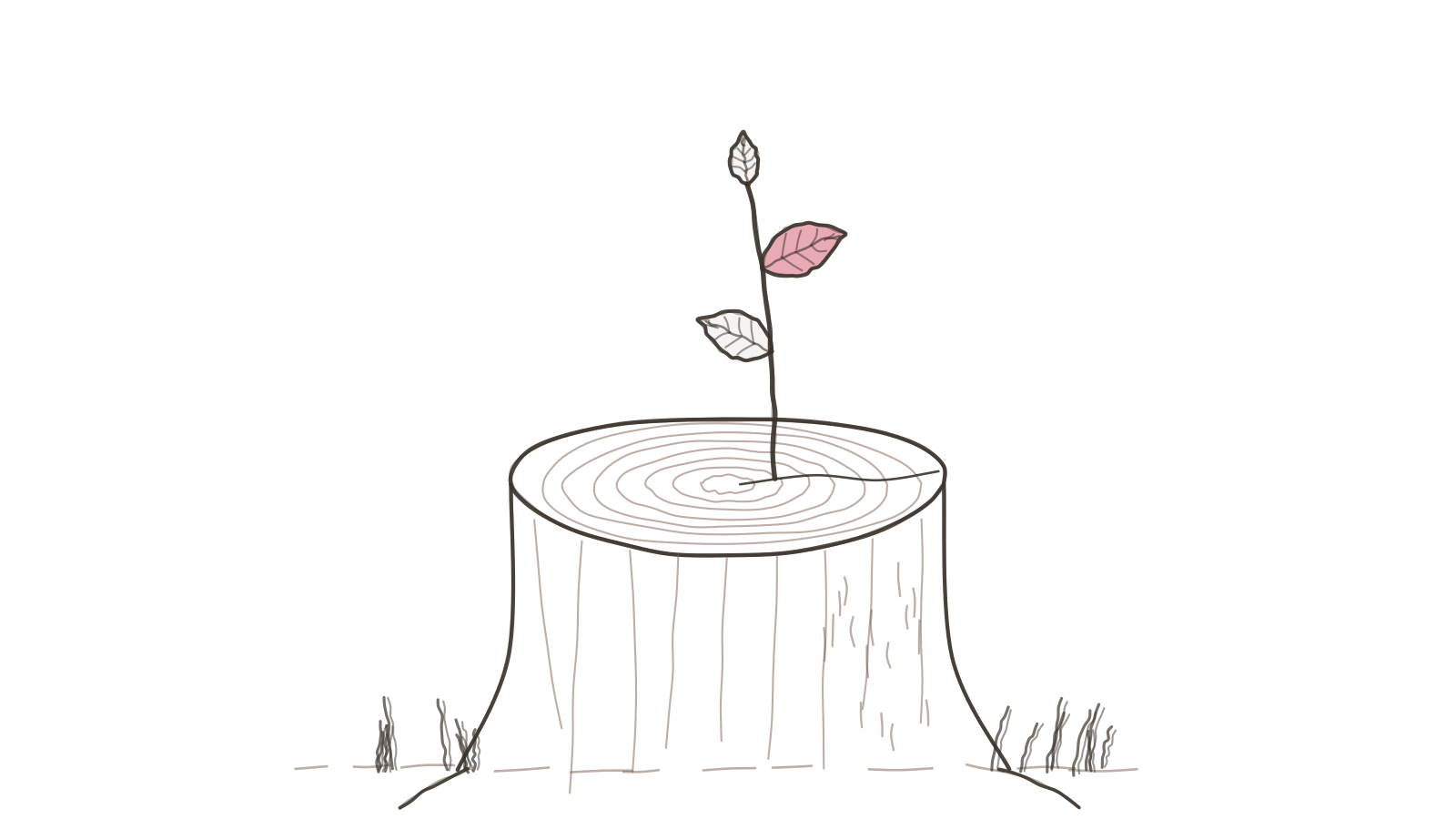
On a good day – a compliment, a finished project, a message from the right person – you feel fine about yourself. On a bad day, one critical comment is enough to make you feel small. If your sense of yourself swings with what happens around you, you're not alone. And it might help to know that there are two different things at play: self-esteem and self-worth.
The difference between self-esteem and self-worth
The two terms are often used interchangeably, but it's useful to separate them.
- Self-esteem is how you evaluate yourself: your abilities, your looks, your success. It naturally goes up and down. Win something, and it rises; fail, and it falls.
- Self-worth is the more basic belief that you matter – that you deserve care, respect and love regardless of your performance on a given day.
High self-esteem built on shaky self-worth is fragile: it needs constant proof. Solid self-worth, on the other hand, makes it possible to fail, be criticised or be rejected without feeling that your whole value is at stake.
When your worth depends on conditions
Psychologists Jennifer Crocker and Connie Wolfe introduced the idea of contingencies of self-worth: the areas a person bases their worth on. For some it's appearance, for others achievement, others' approval, being a good partner or being morally good.
Their research suggests that the more your worth depends on an external condition, the more your mood and behaviour rise and fall with it. If your worth rests on approval, every unanswered message becomes a verdict. If it rests on achievement, rest feels like failure.
Signs of low self-worth
Low self-worth rarely announces itself directly. It tends to show up as patterns:
- You find it hard to accept compliments, or you explain them away.
- You apologise often, even when you've done nothing wrong.
- You feel you have to earn rest, love or attention.
- You stay in relationships or jobs that don't treat you well.
- You compare yourself constantly – and usually lose.
- You struggle to set boundaries, because your needs feel less important.
- You keep people at a distance so they can't discover you're "not enough" – a pattern we describe in our article on fear of intimacy.
Where low self-worth comes from
Self-worth is shaped early, through the way important people responded to us. Children who felt loved for who they were – not only for being good, quiet or successful – tend to develop a more stable sense of worth. Children who received love mainly under conditions often learn that worth must be earned.
Later experiences matter too: bullying, a critical partner, repeated rejection, or a culture that measures people by productivity and appearance. None of these define your worth – but they can teach you to doubt it.
How to build self-worth
Self-worth can't be installed through affirmations alone. It grows through experiences – including the way you treat yourself.
Practise self-compassion
Psychologist Kristin Neff describes self-compassion in three parts: treating yourself with kindness instead of harsh judgement, remembering that struggle is part of being human, and noticing painful feelings without drowning in them. Research on self-compassion suggests it offers many of the benefits of high self-esteem without the constant need to be better than others.
A practical test: how would you talk to a friend in your situation? Try saying that to yourself.
Notice where your worth is outsourced
Pick one area your worth depends on – approval, achievement, appearance. Watch for a week how much your mood follows it. Simply noticing the connection weakens it.
Act as if you matter
Self-worth often grows after behaviour, not before. Set a small boundary. Ask for what you want. Rest without earning it. Each time, you collect evidence that your needs are allowed to exist.
Choose relationships that reflect your worth
People who treat you with respect make it easier to believe you deserve respect. If someone regularly makes you feel small, that's worth taking seriously.
Let yourself be seen
Being accepted while imperfect is one of the most powerful experiences for self-worth. That requires a bit of vulnerability – showing a part of yourself you usually hide, to someone who is likely to respond well.
Frequently asked questions
What is the difference between self-worth and self-esteem?
Self-esteem is how you evaluate yourself and your abilities, and it changes with circumstances. Self-worth is the more stable belief that you have value as a person, regardless of performance.
Can you have high self-esteem and low self-worth?
Yes. Some people feel confident about their skills or looks but still believe, underneath, that they're only lovable when they perform. That kind of self-esteem tends to be fragile.
How long does it take to build self-worth?
It's a gradual process rather than a project with an end date. Many people notice changes within weeks of practising self-compassion and small boundaries, with deeper shifts over months.
When should I seek professional help?
If low self-worth comes with persistent hopelessness, self-harm or makes daily life very hard, please talk to a mental health professional.
Sources and further reading
- Crocker, J. & Wolfe, C. T. (2001). Contingencies of self-worth. Psychological Review, 108(3).
- Neff, K. D. (2003). Self-compassion: An alternative conceptualization of a healthy attitude toward oneself. Self and Identity, 2(2).
- Neff, K. (2011). Self-Compassion: The Proven Power of Being Kind to Yourself. William Morrow.
- Crocker, J. & Park, L. E. (2004). The costly pursuit of self-esteem. Psychological Bulletin, 130(3).
do you believe you deserve what you want?
fraegile turns questions like these into a quiet habit: one honest answer becomes a bubble, and over time your bubbles show you your patterns. everything stays on your phone.
fraegile is a space for self-reflection, not therapy, and this article is no substitute for professional help. if you are struggling or in crisis, please reach out to a mental health professional or your local emergency number.